
Dr. Alessandro Giardini
.png)
.png)
.png)
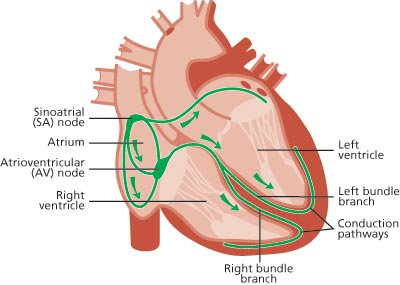
Hearing that your child's heart is racing, fluttering, pounding, or skipping beats can be very unsettling. Good news: most palpitations in children and teenagers do not come from a serious heart problem. Topics covered here include causes, warning signs, available tests, and when specialist review adds real value.
Palpitations are the sensation of becoming aware of the heartbeat. Children and teenagers describe this in different ways. Some say their heart is racing. Others report fluttering, thumping, a missed beat, or something odd in the chest or throat.
Palpitations are a symptom, not a diagnosis. Noticing the heartbeat is what they describe, not the reason behind them. In younger children, the description may be vague. In my experience a child may simply say they feel funny, uncomfortable, shaky, or like their chest is banging.
Teenagers are often more precise. Even so, the pattern of each episode matters more than the words used.
Not all palpitations are the same. Brief skipped beats differ greatly from sudden fast racing that starts and stops abruptly.
Skipped beats are often caused by extra heart beats called premature ectopic beats. These are common, usually harmless, and many healthy children have them from time to time. Ectopic beats feel like a pause followed by a thump. Ectopic beats may indicate a heart problem when they occur in significant numbers
Sudden fast rhythm, especially if it feels much faster than expected, may suggest an arrhythmia such as supraventricular tachycardia. Recognising this distinction does not mean something dangerous is happening, but the pattern deserves more careful attention.
Much of the value of a paediatric cardiology review lies in sorting these different patterns out properly.
Usually not. Most children and teenagers with palpitations do not have dangerous heart disease. Many cases relate to benign ectopic beats, anxiety, dehydration, fever, caffeine, poor sleep, or normal physiological changes during growth.
Parental worry that palpitations signal a serious rhythm problem is understandable and very common. Reality is more reassuring: the majority of presentations turn out to be harmless. Identifying those who need investigation while reassuring those who do not is precisely the aim of a specialist assessment.
Several factors often contribute at the same time. Common benign causes include:
Some children simply become very aware of a normal increase in heart rate during stress, exercise, or panic. Others notice a pause followed by a strong thump, the hallmark of an ectopic beat.
Less commonly, palpitations arise from an arrhythmia, a structural heart condition, thyroid problems, anaemia, or other medical issues. Context and symptom pattern determine which explanation fits.
Call 999 immediately. Do not wait to see if the episode resolves. Prompt assessment is also warranted if your child has congenital heart disease, previous cardiac surgery, cardiomyopathy, or a prior abnormal ECG.
Family history carries real weight. Relevant concerns include sudden unexplained death before age 50 in a first-degree relative, long QT syndrome, Brugada syndrome, CPVT, or recurrent unexplained faints. Such findings justify taking palpitations more seriously.
Episodes starting suddenly, lasting several minutes, and feeling too fast to count also justify specialist review.
Consider a teenager with occasional skipped beats at rest, linked to stress or caffeine, with good exercise tolerance and no worrying family history. For such a child, a benign explanation is very likely. Benign does not mean dismissible. Proper assessment still provides clarity, and clarity reduces anxiety for the whole family.
Exercise represents one of the most important situations to assess carefully. Noticing the heartbeat during sport because exercise makes the heart beat faster is entirely normal.
Episodes during exercise with dizziness, chest pain, unusual breathlessness, or collapse deserve proper review. Symptoms during football, running, swimming, gym, or competition warrant careful documentation. Record what your child felt, how quickly it started, how long it lasted, and whether they had to stop.
Exercise-related palpitations do not always mean a dangerous condition. Brushing them aside without proper assessment, however, is not appropriate.
Teenagers commonly present with palpitations, and the list of triggers is broader than in younger children. Energy drinks, high caffeine, poor sleep, anxiety, exam stress, dehydration, and stimulant medications all play a role.
Adolescents increasingly use smartwatches and fitness trackers that display heart rate data. Watching these readings can create a loop of worry that makes symptoms feel more significant than they are. Smartwatch data can sometimes assist a clinical review, but it can also increase anxiety and should not replace proper assessment.
Adolescence is also the age when conditions such as supraventricular tachycardia become more apparent. Sensible, balanced assessment matters here. Over-investigating is unnecessary, but dismissing persistent or pattern-rich symptoms is not wise.
Anxiety absolutely contributes to palpitations. One of the most common patterns involves noticing a strong heartbeat, worrying about it, and then becoming more anxious. That heightened anxiety speeds up the heart still further, creating a very convincing and distressing cycle.
Careful assessment matters here. Labelling symptoms as anxiety without first understanding the pattern is not helpful. However, it is important to note that once worrying cardiac causes are excluded, explaining the role of stress, adrenaline, and body awareness provides real reassurance.
Cognitive behavioural therapy (CBT) has strong evidence for breaking this cycle in teenagers. Treating the underlying anxiety effectively reduces palpitation frequency in most cases. Families often benefit most from a clear specialist opinion that explains what is happening, not just a printout.
Taking a thorough history is often the most important part of the whole assessment. During a consultation, I will want to know what the episode felt like, how long it lasted, and how often it happens. Triggers such as exercise, fever, dehydration, caffeine, and stress all matter.
Associated symptoms shape the picture: dizziness, fainting, chest pain, and breathlessness all change the approach. Family history, medication, stimulant use, asthma therapy, recent illness, and exercise tolerance are all relevant.
Examination comes next, followed by an ECG in most cases. Normal ECG results during a symptom-free period are very reassuring, though they do not always capture an intermittent rhythm problem. That is why some children need further testing when symptoms continue. An echocardiogram is also often performed as the types and consequences of palpitations in children with normal hearts or underlying heart conditions are very different.
Not every child with palpitations needs every test. An ECG is often the first step because it is quick, painless, and useful. Sometimes an ECG alone is sufficient.
Recurrent or prolonged episodes, symptoms during exercise, or difficulty characterising the pattern may prompt an ambulatory monitor. Options include a 24-hour Holter monitor, a longer-wear Zio patch, or another rhythm recorder depending on symptom frequency.
An echocardiogram is often necessary. Situations where it adds value include an abnormal examination, concerning ECG features, or a suspected structural issue. Relevant family history prompting closer scrutiny of the heart's structure also justifies the test.
Blood tests help in selected cases, checking for thyroid overactivity, anaemia, and electrolyte problems such as low potassium. Useful for detecting arrhythmias triggered by exertion, an exercise test can also form part of the work-up when symptoms happen during sport.
Recognising how palpitations appear at different ages helps parents respond well and describe episodes accurately to a doctor.
Keeping a simple symptom diary is genuinely helpful. Note what your child was doing and how long the episode lasted. Record whether onset was sudden or gradual, and whether dizziness, pallor, chest pain, or breathlessness were present.
Encouraging good hydration and regular sleep is worthwhile. Reducing caffeine and avoiding energy drinks or pre-workout supplements can make a real difference in many teenagers. Reviewing cold remedies and over-the-counter stimulants is also sensible.
Most children with palpitations require no medical treatment. Reassurance, lifestyle changes, and education about triggers are sufficient in the majority of cases. Parents play a key role in modelling calm responses during episodes rather than reinforcing anxiety about the heart.
When SVT occurs, a technique called a vagal manoeuvre can slow or stop the episode. For teenagers, the modified Valsalva manoeuvre (bearing down as if straining, then lying with legs raised) is highly effective. In infants, applying ice-cold water to the face achieves the same result. Your cardiologist will teach you and your child which technique to use.
Frequent SVT or other arrhythmias may benefit from regular medication to prevent episodes. Beta-blockers and flecainide are commonly prescribed. Amiodarone is another option for the most difficult to treat arrhythmias. Specialist supervision covers all long-term medication decisions.
Catheter ablation treats some conditions like SVT and WPW permanently in most cases. During the procedure, thin wires pass through a vein into the heart. Targeted energy then weakens the abnormal electrical pathway. Success rates typically exceed 90-95 percent. Ablation is usually considered when arrhythmia affects daily life or does not respond to medication.
Physical activity is safe and actively beneficial in the vast majority of cases. Regular exercise reduces baseline anxiety, improves sleep, and supports overall heart health.
Adolescents with confirmed benign causes such as occasional ectopic heart beats can participate fully in sport without restriction. Returning to physical education and recreational sport is usually straightforward for teenagers with well-controlled SVT, following a cardiology review.
Competitive or elite sport after an arrhythmia diagnosis requires individualised assessment. Those with certain arrhythmias, including WPW with specific electrical properties, require treatment before returning to vigorous competition.
Requesting a brief letter from the cardiologist helps clarify any restrictions and provides useful written guidance for school staff.
Certain family history details significantly change the approach to palpitation assessment. Alert your doctor if any first-degree relative (parent or sibling) has a history of:
Such red flags prompt a more thorough investigation, including careful ECG review and specialist referral. Close family members of an affected child may themselves benefit from cardiac screening.
Not every child with palpitation do not need to see a cardiologist. Paediatric cardiology assessment adds value when symptoms are concerning, recurrent or prolonged. Assessment is also indicated when palpitations happen during exercise, or remain unexplained after initial review. Where a worrying family history exists, or where a competitive athlete needs safety guidance, specialist review adds the most clarity.
As a Consultant Paediatric Cardiologist in London, I assess children and teenagers with palpitations, fast heart rhythms, skipped beats, and dizziness. Careful history-taking, examination, and ECG/Echocardiogram resolve the majority of cases. Clarity about the pattern and a clear plan in place brings real relief to most families.
Normal ECG results are very reassuring, but certain arrhythmias only appear during an episode. SVT, for example, may not show on a routine tracing if the child is not symptomatic at the time. Holter monitoring and event recorders capture the rhythm over a longer period and provide more complete information.
Every child's heart beats faster during exercise, and noticing this is entirely expected. Sudden onset during moderate activity does warrant assessment. Benign causes remain common even in these situations.
Encouraging normal activities is appropriate unless a doctor specifically advises rest. Withdrawing from activities without medical guidance increases anxiety and reduces physical fitness. Both physical and mental wellbeing benefit from staying active.
High-caffeine products such as energy drinks combine caffeine with stimulants including taurine and guarana. UK health guidance recommends avoiding them entirely. Even modest quantities can trigger palpitations in otherwise healthy young people.
Yes. They are quite common in children and teenagers. These episodes usually arise from normal heartbeat awareness, extra heart beats, stress, dehydration, fever, poor sleep, or caffeine rather than a dangerous heart problem.
Yes. Anxiety can make children and teenagers much more aware of their heartbeat and can increase heart rate through adrenaline. However, it is important not to assume anxiety is the whole explanation without considering the symptom pattern carefully.
Usually not. Isolated skipped beats or a brief thump in the chest are often due to ectopic beats, which are common and usually benign. They are more reassuring when brief, infrequent, and not associated with fainting, exercise symptoms, or a worrying family history.
Feeling the heartbeat is a symptom, not a diagnosis. Arrhythmia means an abnormal heart rhythm. A child can have palpitations without a dangerous arrhythmia, and that is actually the more common situation.
Stopping sport is not always necessary. Children with benign palpitations can usually continue normal activity. Symptoms during exercise with dizziness, chest pain, breathlessness, or fainting do warrant assessment before returning to intense sport.
Whether an ECG is needed depends on the history, examination, and clinical picture. Quick and painless, an ECG is often a very useful first step and is recommended when symptoms are recurrent, exercise-related, or otherwise concerning.
The ECG may be reassuring but does not always capture an intermittent rhythm problem. When this occurs, a Holter or patch monitor can be more useful, especially if symptoms are recurrent.
Sometimes. Stimulant medication can raise heart rate and increase heartbeat awareness, particularly alongside anxiety, dehydration, or caffeine. Starting palpitations after a medication change warrants a careful discussion with the prescribing doctor.
Yes. Energy drinks and high-caffeine products can trigger palpitations in teenagers, especially when combined with poor sleep, dehydration, stress, or exercise. UK guidance recommends avoiding them entirely.
Booking a specialist review is sensible if palpitations are frequent, prolonged, happen during exercise, or are associated with dizziness or fainting. Review is also reasonable when a worrying family history exists, or when uncertainty itself is causing ongoing anxiety in the family.
Author: Dr. Alessandro Giardini, MD, PhD
Written 03/04/2026