
Dr. Alessandro Giardini
.png)
.png)
.png)
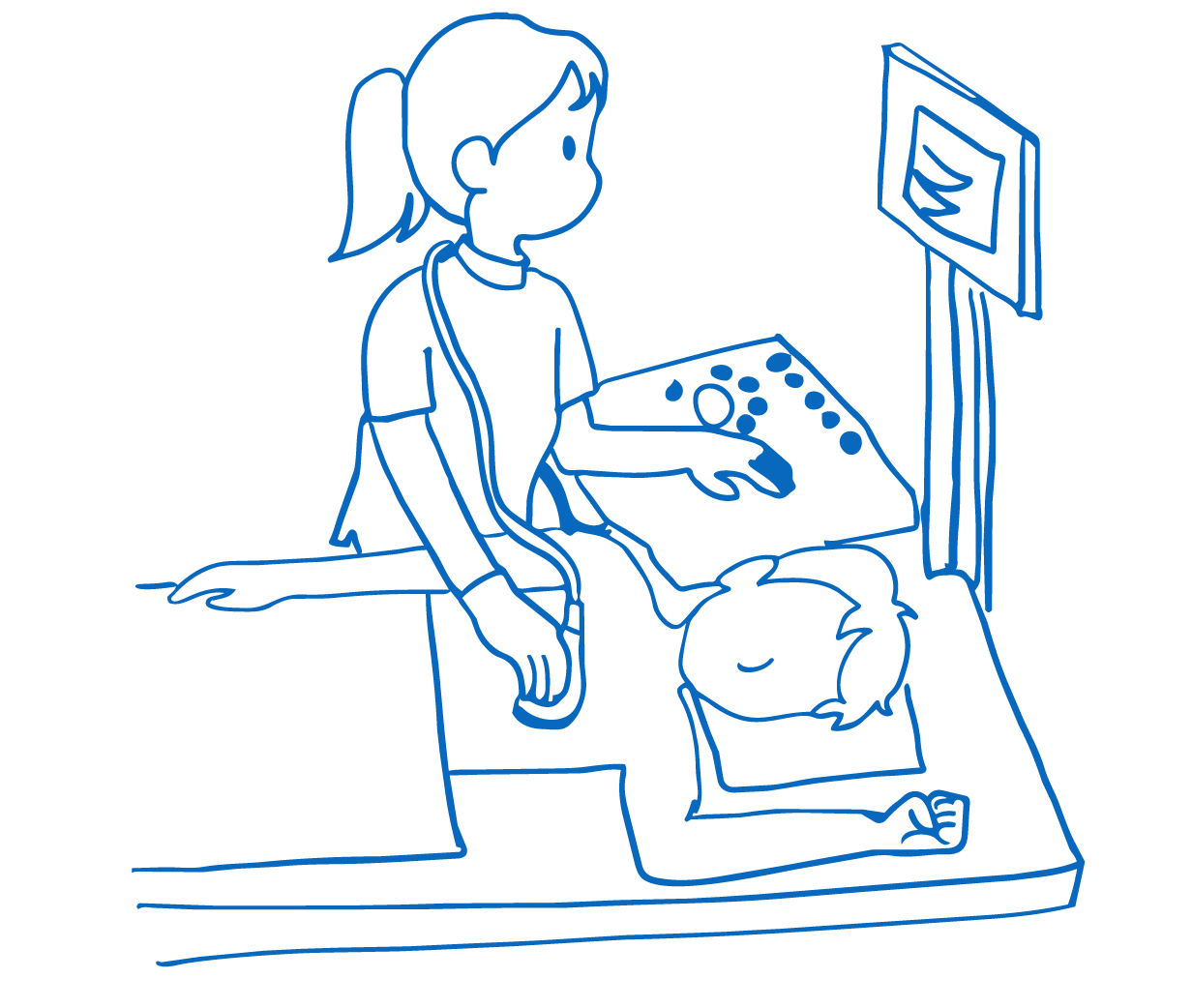
An echocardiogram is one of the most important tests used to assess your child's heart. It is a safe, painless investigation that does not involve needles, radiation or any instrument entering the body, making it ideally suited to children of all ages.
The test uses ultrasound, the same sound-wave technology used during pregnancy scans. A small handheld probe is placed on the chest, tummy and sometimes the neck. A layer of warm gel is applied to the skin beforehand to help the probe make good contact and produce the clearest possible images. The probe sends sound waves towards the heart; these waves bounce back and are processed by a specialised computer to create detailed, moving pictures of the heart's structures in real time.
With an echocardiogram it is possible to see the heart chambers, valves and the large arteries and veins that carry blood to and from the heart. The test also measures how well the heart muscle is squeezing and relaxing, and it maps the direction and speed of blood flow inside the heart. This information allows Dr Giardini to make a complete diagnosis in the vast majority of congenital heart defects and many other cardiac conditions in children.
Dr Giardini performs all echocardiograms personally and has extensive expertise in both basic and advanced cardiac imaging. Having the same specialist carry out and interpret the scan means that findings can be discussed with you straight away, and any questions you may have can be answered on the spot.
The scan usually takes between 15 and 45 minutes. The length depends on the complexity of the heart condition being assessed, the quality of the ultrasound windows and how settled your child is during the test. Younger babies and infants often prefer to sit on a parent's lap or feed during the scan, and you are always welcome to stay with your child throughout. Because there is no discomfort involved, most children tolerate the test very well and no sedation is needed.
There is no special preparation required before an echocardiogram. Your child can eat, drink and take any regular medications as normal. Results are generally available immediately after the scan, so you will leave the appointment with a clear understanding of your child's heart.